


100000 WHYS - Children Encyclopedia Develop a Scientist‘ Way of Thinking
100000 WHYS - Children Encyclopedia Develop a Scientist‘ Way of Thinking
A fun and engaging encyclopedia that answers children's biggest "why" questions while inspiring curiosity, critical thinking, and a lifelong love of learning.

Couldn't load pickup availability

100000 WHYS - Children Encyclopedia Develop a Scientist‘ Way of Thinking
- Paypal payment method
- Venmo payment method
Introduction
Introduction
The questions your child is already asking - why do we fart,why is the sky blue, why do we dream, why can parrots talk,why do apples turn brown - answered in plain language with vivid illustrations they'll actually look at
500+ questions across 6 worlds: the human body, animals,plants, space, earth, and everyday life - so every "why" findsa home
1-2 pages per topic - no walls of text. Built for the child whocan't sit still and the parent who only has 15 minutes
Full-color comic illustrations throughout - the kind children open without being asked, and adults stop to read over their shoulder
Written for ages 3-12 - simple enough for early readers,interesting enough that parents and grandparents consistently say they learned something too.



🎁BUY MORE SAVE MORE | LIMITED TIME OFFER | ACT NOW🎁
🎁BUY MORE SAVE MORE | LIMITED TIME OFFER | ACT NOW🎁
🎁BUY MORE SAVE MORE | LIMITED TIME OFFER | ACT NOW🎁
🎁BUY MORE SAVE MORE | LIMITED TIME OFFER | ACT NOW🎁
🎁BUY MORE SAVE MORE | LIMITED TIME OFFER | ACT NOW🎁
🎁BUY MORE SAVE MORE | LIMITED TIME OFFER | ACT NOW🎁
🎁BUY MORE SAVE MORE | LIMITED TIME OFFER | ACT NOW🎁
🎁BUY MORE SAVE MORE | LIMITED TIME OFFER | ACT NOW🎁
🎁BUY MORE SAVE MORE | LIMITED TIME OFFER | ACT NOW🎁
🎁BUY MORE SAVE MORE | LIMITED TIME OFFER | ACT NOW🎁
🎁BUY MORE SAVE MORE | LIMITED TIME OFFER | ACT NOW🎁
🎁BUY MORE SAVE MORE | LIMITED TIME OFFER | ACT NOW🎁
🎁BUY MORE SAVE MORE | LIMITED TIME OFFER | ACT NOW🎁
🎁BUY MORE SAVE MORE | LIMITED TIME OFFER | ACT NOW🎁
🎁BUY MORE SAVE MORE | LIMITED TIME OFFER | ACT NOW🎁
🎁BUY MORE SAVE MORE | LIMITED TIME OFFER | ACT NOW🎁
Why Parents Love 100,000 Whys
-
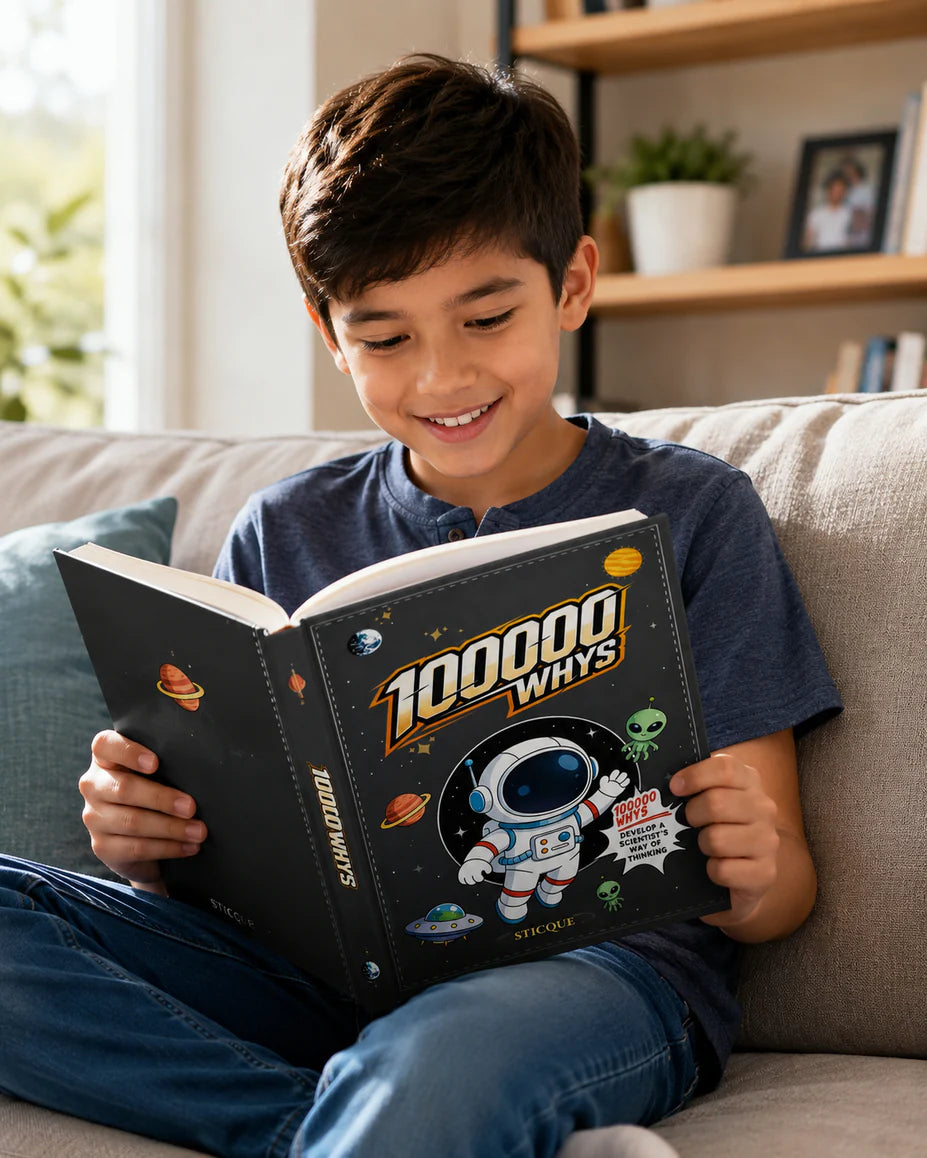
1.Children are naturally curious
Always asking why, how, and what if? This Children’s Encyclopedia is designed to help parents answer those endless questions in a fun, simple, and engaging way.
-
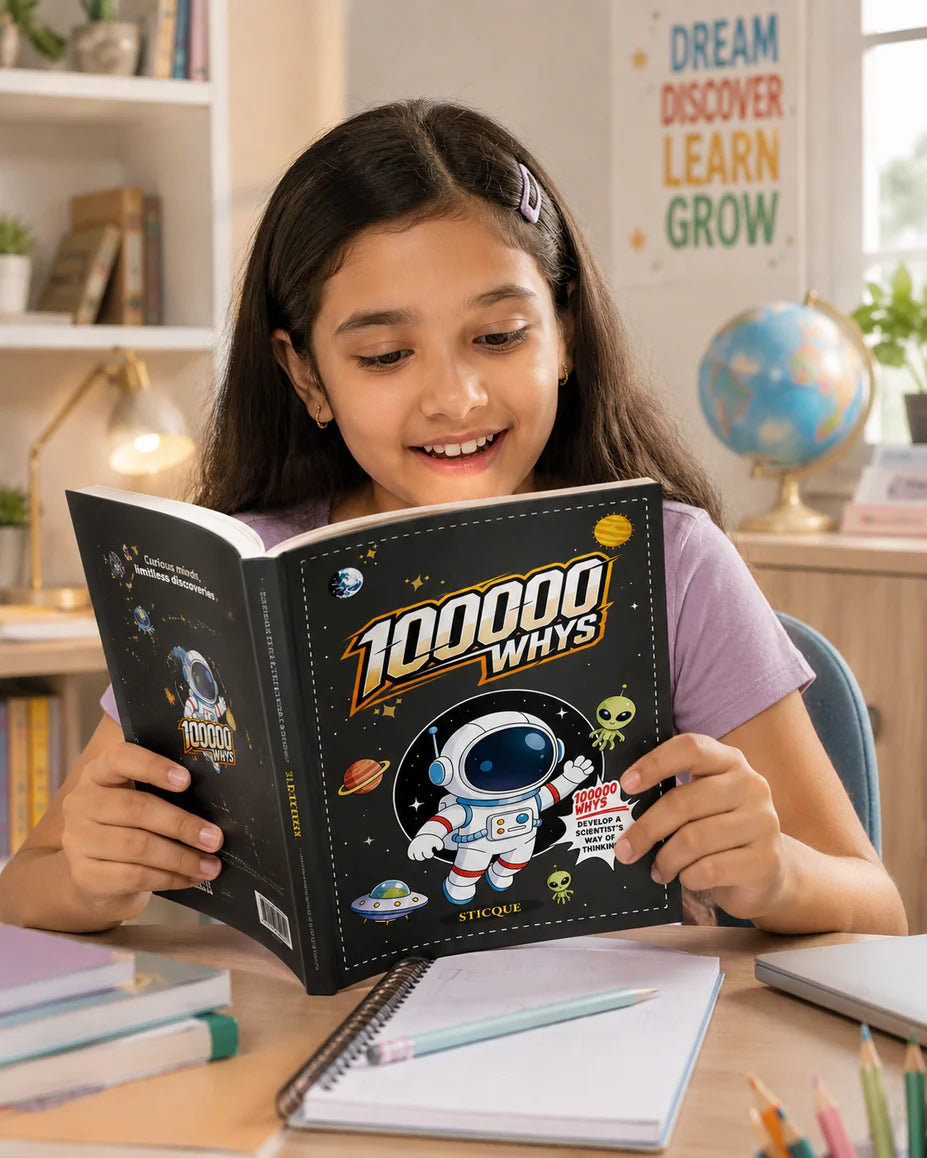
2.Perfect for kids aged 8-12
It introduces interesting facts, everyday knowledge, science, nature, history, and the world around them in a way young minds can understand and enjoy.
-
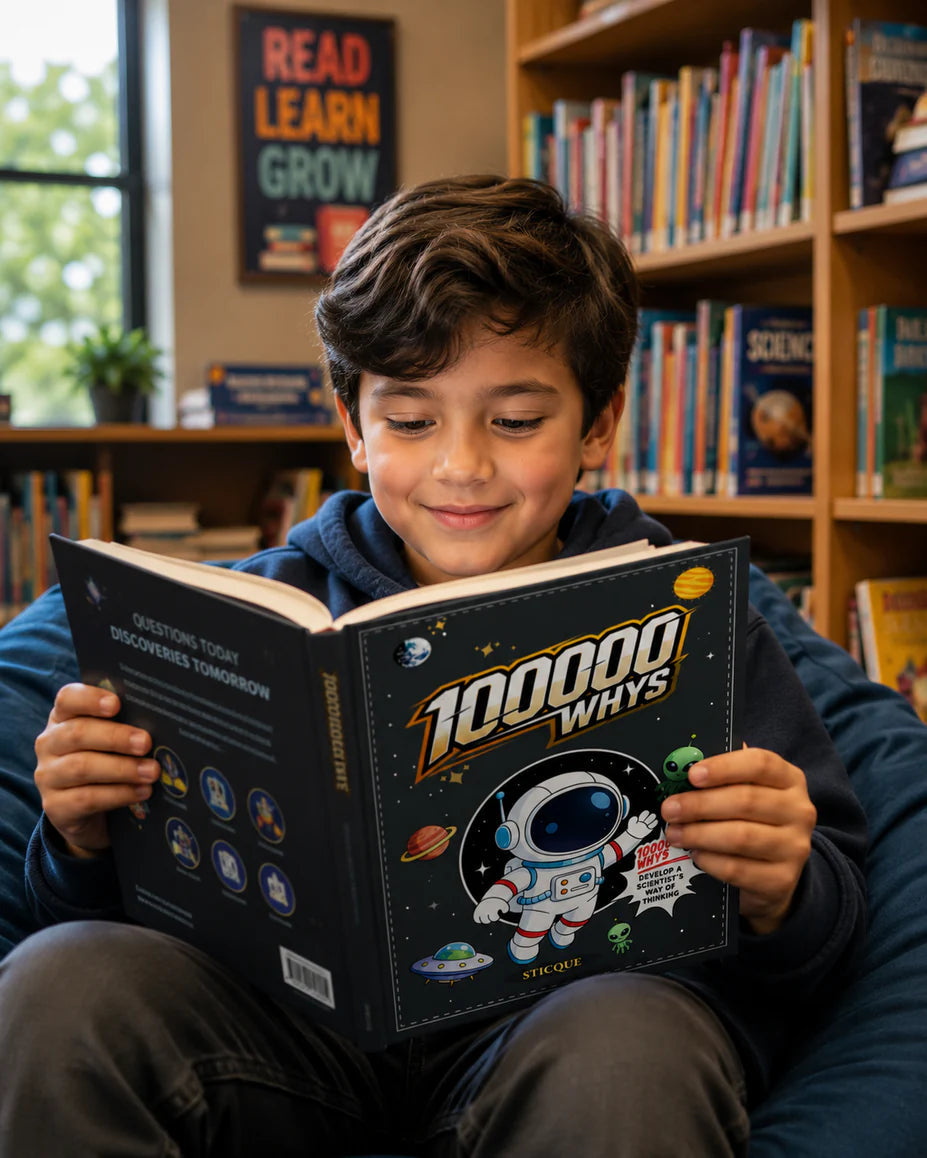
3.More than just a book
It encourages independent reading, builds general knowledge, improves thinking skills, and inspires children to become smarter, more curious learners.

Your child is already asking the right questions. Some one should actually answer them.
Why do we dream? Why is fire hot? Why can't we tickle ourselves? Why do planesstay in the sky?
Most get "I don't know" or a Google answer read off a phone. Their curiosity fires -and then quietly dims.
Ages 5 to 12 are the window. Miss it, and the questions stop coming - replaced by passive scrolling and half-attention.
Just 15 minutes a day is enough to build the kind of curious, independent thinker that stands out in every classroom
The difference between children who grow up fascinated by the world and those who don't isn't intelligence. It's whether someone gave them the answers whilethey were still asking.

Curiosity doesn't wait. Neither does the algorithm.
Every day a child spends passively watching instead of actively asking is a day the curiosity habit gets a little weaker.
This isn't a book you assign them. It's one they pick up themselves - because the questions inside are the exact ones already bouncing around in their head.
Parents who get this early don't have to fight for their child's attention later.
The habit is already there.
Loved by 10,000+ customers
Your Questions, Answered
What ages is this book for?
What ages is this book for?
Best for ages 3-12, but the honest answer is: any child who asks "why" about things. Parents of 3-year-olds use it to read aloud together. Kids up to 15 read it independently. And based on the reviews, a surprising number of adults read it first before handing it over - and learned things too.
My child already reads a lot. Do they need this?
My child already reads a lot. Do they need this?
Reading a lot and reading things that genuinely answer the questions bouncing around in your head are different things. Most books kids are assigned don't connect to what they're actually curious about. This one does - it's built around the exact questions children are already asking. Kids who already love reading tend to love this even more.
My child doesn't really like reading. Will this be any different?
My child doesn't really like reading. Will this be any different?
This is the most common thing parents say before buying - and the most common thing they contradict in their reviews. Because the questions inside arethe ones their child is already asking out loud, children don't experience this as"reading." They experience it as getting answers. Multiple parents report their child picked it up without being asked and read for 45 minutes straight. We can't guarantee that. But the reviews suggest it happens more often than not.
Is this really worth the price?
Is this really worth the price?
That depends on what you're comparing it to. A single after-school enrichment class costs more and lasts an hour. This sits on the shelf and gets opened againand again. Multiple parents have bought second copies for siblings, or bought itas a gift after seeing what it did for their own child. The parents who feel it'sworth it are the ones whose kid actually used it. Which - based on the reviews- is most of them.